Full Circle Level II

Established 2026

View program website

Hybrid

Dates: TBD

300 hours • TBD

Williamsburg, VA, US

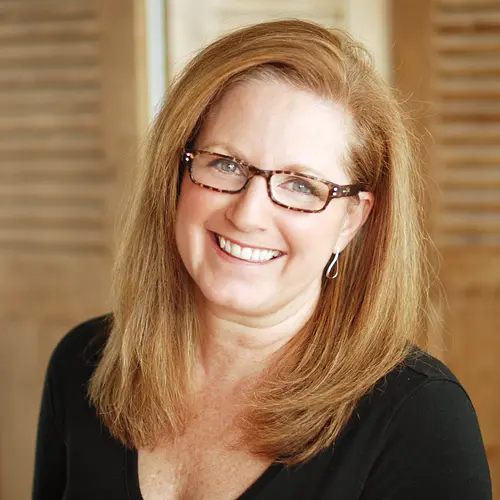
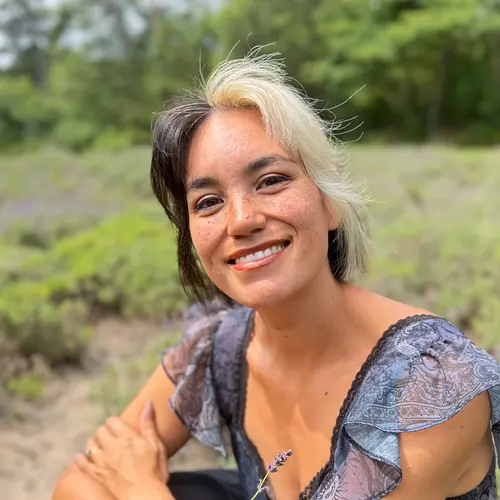
Beth Corson Amber O'Reilly

Led by

Beth Corson and Amber O'Reilly
Level 3 Yoga Teacher Badge CYT-L3
Inquire

See up-front pricing

Purpose

This program builds on the foundation of Full Circle's Level I curriculum to deepen students' understanding and broaden their perspectives. This program will focus on the application and analysis of basic skills which will allow graduates to serve more physically diverse populations and offer classes more deeply rooted in yoga history and philosophy. Full Circle's Level II offering will also focus more heavily on business modeling as well as provide deeper understanding of subtle body and energetic practices.

What to expect

Students of Full circle's Level II program can expect a rigorous yet open, safe, and collaborative environment that encourages growth and curiosity. Classroom lectures, self-study, personal practice, written assignments, and group projects will be required throughout the course.

Style/Lineage

Full Circle's Level II program continues its exploration of commonalities and contrasts prominent lineages of modern yoga, diving deeper in to foundational texts and their application to the yoga teaching profession.

Additional Information

Core competencies

By the end of this program, graduates will be able to…

Anatomy, Physiology, Biomechanics
  • Analyze how skeletal variation affects range in postures, distinguishing tension from compression and adapting cues accordingly
  • Assess a student's movement patterns across postures and recommend adaptations, explaining the biomechanical reasoning.
  • Evaluate common claims about yoga's effects on the nervous system against current research, distinguishing evidence from popular myth
  • Analyze common dysfunctional breathing patterns, such as over-breathing and paradoxical breathing, and select practices that support healthier patterns within scope
  • Apply knowledge of common musculoskeletal injuries and health conditions to modify practice safely, recognizing when to refer to a health professional.
Practice Skills
  • Teach intermediate and advanced postures, such as arm balances, inversions and deep backbends, with sound preparation, alignment and safe exits
  • Teach advanced pranayama, including breath retention and bandha integration, sustaining correct technique and ratio
  • Sustain a daily meditation practice over the training, evaluating its effects on attention, emotion and teaching
  • Refining it and evaluating its effects over time
Business Skills
  • Develop a workshop or series offering with learning outcomes, a budget and a marketing plan aligned with one's teaching values
  • Create income models, such as studio, private, corporate, online and retreat teaching, comparing revenue, risk and fit for a sustainable career
  • Apply sound practices for insurance, waivers, agreements and record-keeping to a teaching business, seeking professional advice where needed
  • Build an annual budget for a teaching practice, projecting income, expenses, taxes and savings, and track actual results against it to guide sound financial decisions.
Lifestyle & Ethics
  • Evaluate ethical dilemmas in teaching through the yamas and niyamas, justifying a course of action
  • Distinguish the scope of a yoga teacher from that of therapists and medical providers, applying referral and boundary practices in teaching scenarios
  • Design classes and studio policies that remove barriers to participation and ensure every student is treated equally, evaluating who is included and who may feel left out
  • Explain foundational Ayurvedic concepts, such as the doshas and daily routine, and how they relate to yoga practice, staying within scope
Teaching Skills
  • Evaluate the needs of a mixed-level room in real time and adapt sequence, pacing and cueing to serve it, justifying each change
  • Create layered cues that integrate alignment, breath, sensation and imagery, refining language through recorded self-review and peer feedback
  • Design a progressive multi-session series toward an advanced peak or intention, with each class building on the last
  • Adapt classes for a specific population, such as prenatal students, older adults or beginners, applying precautions and staying within scope
  • Lead extended pranayama, meditation and yoga nidra practices, selecting techniques and cautions to fit the group
  • Design a series of dharma talks drawn from a primary text, connecting each to the practice and to students' lives
  • Evaluate whether touch, props or language best serves a student in complex postures, and assist with consent and safe technique
  • Observe a newer teacher's class and evaluate it against a rubric, giving specific, actionable and supportive feedback.
Yoga History & Theory
  • Analyze a primary text, such as the Yoga Sutras, Bhagavad Gita or Hatha Yoga Pradipika, comparing translations and interpretations of key passages
  • Compare the Samkhya, Vedanta, Tantra and Buddhist influences on yoga, explaining how each shapes practice
  • Explain subtle-body models, such as the koshas, vayus, nadis and chakras, and their textual sources, distinguishing traditional from modern interpretations
  • Evaluate modern yoga practices for appreciation versus appropriation, proposing ways to teach with respect for lineage and culture
  • Describe at a foundational level the Vedas, the Upanishads and the Gheranda Samhita, identifying each text's approximate era, central teachings and place in the development of yoga

AYC allows each school to state and evaluate the competencies each student acquires. Students rate how well the program delivered them.

Program Emphasis

Evaluation methods

Program evaluations
  • Graded Demonstration
  • Written Exam
  • Written Submission
  • Direct Observation
  • Other
  • Solo Project Or Presentation
  • Group Project Or Presentation
  • Graded Skill Demonstration

Student evaluation will be cumulative and comprehensive

AYC Evaluations

AYC also requires the following experience for Level 2 Yoga Teacher badges:

  • 4+ years teaching experience
  • sessions taught per year
More about AYC levels

Did you graduate from this program?

Program Faculty

Featured Faculty

Beth Corson
Beth Corson
Level 3 Yoga Teacher Badge
Williamsburg, VA, US
Amber O'Reilly
Amber O'Reilly
Level 3 Yoga Teacher Badge
Amber O’Reilly began her yoga journey in 2010, with her background as a collegiate athlete playing an influential role in discovering the practice. What initially began as a way to complement her athletic pursuits evolved into a lifelong passion for movement, mindfulness, and...
Wesley Chapel, FL, US

Policies

View program website
AYC Cookies 🍪
We use cookies to optimize your web experience. We do NOT sell your data or use it for ads.
Manage preferences