The Yogic Path

Established 2026

View program website

Hybrid

Dates: TBD

200 hours • TBD

Dexter, MI, US

Courtney Fitzpatrick

Led by

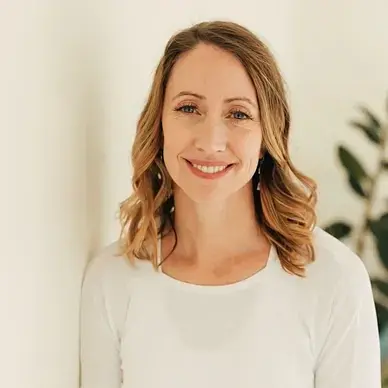
Courtney Fitzpatrick

Level 3 Yoga Teacher Badge CYT-L3
Inquire

See up-front pricing

Purpose

Each weekend intensive session is a sacred time to gather for

friendship, practice, discussion, learning and profound self-discovery.

What to expect

While this program is

non-certifying, the curriculum and themes are based on our Yoga Alliance Teacher Training

approved curriculum. The Yogic Path is for students ready to live a well-lived life, and to

discover the essence of their own true nature.

Style/Lineage

The Yogic Path is for students interested in diving into the study of Yoga, or the Science of Self-

Realization, for personal growth.

Core competencies

By the end of this program, graduates will be able to…

Anatomy, Physiology, Biomechanics
  • Identify the primary muscles and structures involved in breathing, including the diaphragm and rib cage, using correct anatomical terms.
  • Describe the qualities and body systems traditionally associated with each chakra, explaining how they relate to physical and emotional wellbeing.
  • Explain how the koshas describe the human being as interwoven layers, discussing how practices address body, breath, mind, wisdom and bliss together.
  • Explain the relationship between prana and apana and the movement of energy through the main nadis, connecting these ideas to breath and mental states.
  • Identify the primary muscles and structures involved in breathing, including the diaphragm and rib cage, using correct anatomical terms.
Lifestyle & Ethics
  • Practice a daily gratitude routine, recording entries consistently and noting shifts in mood or perspective over time.
  • Apply a mindful approach to a difficult emotion, naming and locating it in the body without judgment or suppression.
  • Use a structured forgiveness practice such as tapping or reflective letter writing, completing every stage with honesty and self-compassion.
  • Apply a chosen yama or niyama to daily conduct, recording observations of its practice consistently in a reflective journal.
  • Apply a personal sankalpa within meditation or yoga nidra, repeating it with clarity and conviction across sessions.
Practice Skills
  • Practice asana with steady breath and attention to sensation, staying responsive to the edge in every posture.
  • Practice pranayama techniques with proper technique and pacing, sustaining a steady rhythm throughout.
  • Practice seated meditation with a chosen method, returning attention to the object of focus gently and consistently when the mind wanders.
  • Practice japa with a chosen mantra, maintaining correct pronunciation and steady rhythm with focused attention.
  • Explain how warm-up and cool-down sequences prepare and settle the body, connecting each stage to joint mobility and nervous system regulation.
  • Explain how vinyasa links movement to breath, describing the complementary roles of prana and apana in rooting and rising actions.
  • Explain how a theme can be woven through centering, movement, breath, and closing reflection, giving clear examples for each phase of a class.
  • Explain the purpose of each stage of yoga nidra, describing how the practice relates to pratyahara and conscious relaxation.
Yoga History & Theory
  • Explain the definition of yoga as the stilling of the fluctuations of the mind, discussing how practice and non-attachment support this aim.
  • List each limb of the eight-limbed path in Sanskrit and English, defining every limb accurately.
  • Name the major paths of yoga, including hatha, raja, jnana, karma, bhakti, and tantra, defining the focus of each.
  • Explain how the gunas shape states of mind, describing sattvic, rajasic, and tamasic mental patterns with clear examples.
  • Explain the distinction between awareness and the contents of awareness, discussing how this relates to purusha and prakriti.

AYC allows each school to state and evaluate the competencies each student acquires. Students rate how well the program delivered them.

Program Emphasis

Evaluation methods

Program evaluations
  • Oral Exam
  • Solo Project Or Presentation
  • Direct Observation

Students will be evaluated through a combination of written/oral submissions, solo projects, direct observation, and skills demonstration.

Program Faculty

Featured Faculty

Courtney Fitzpatrick
Level 3 Yoga Teacher Badge
Courtney owns Verapose Yoga and Meditation House in Dexter, MI, which she co-founded with Katie Hoener in 2015. She teaches yoga to people of all ages, abilities and backgrounds.

Adjunct Faculty

Katie Hoener
Katie Hoener

Policies

AYC Cookies 🍪
We use cookies to optimize your web experience. We do NOT sell your data or use it for ads.
Manage preferences